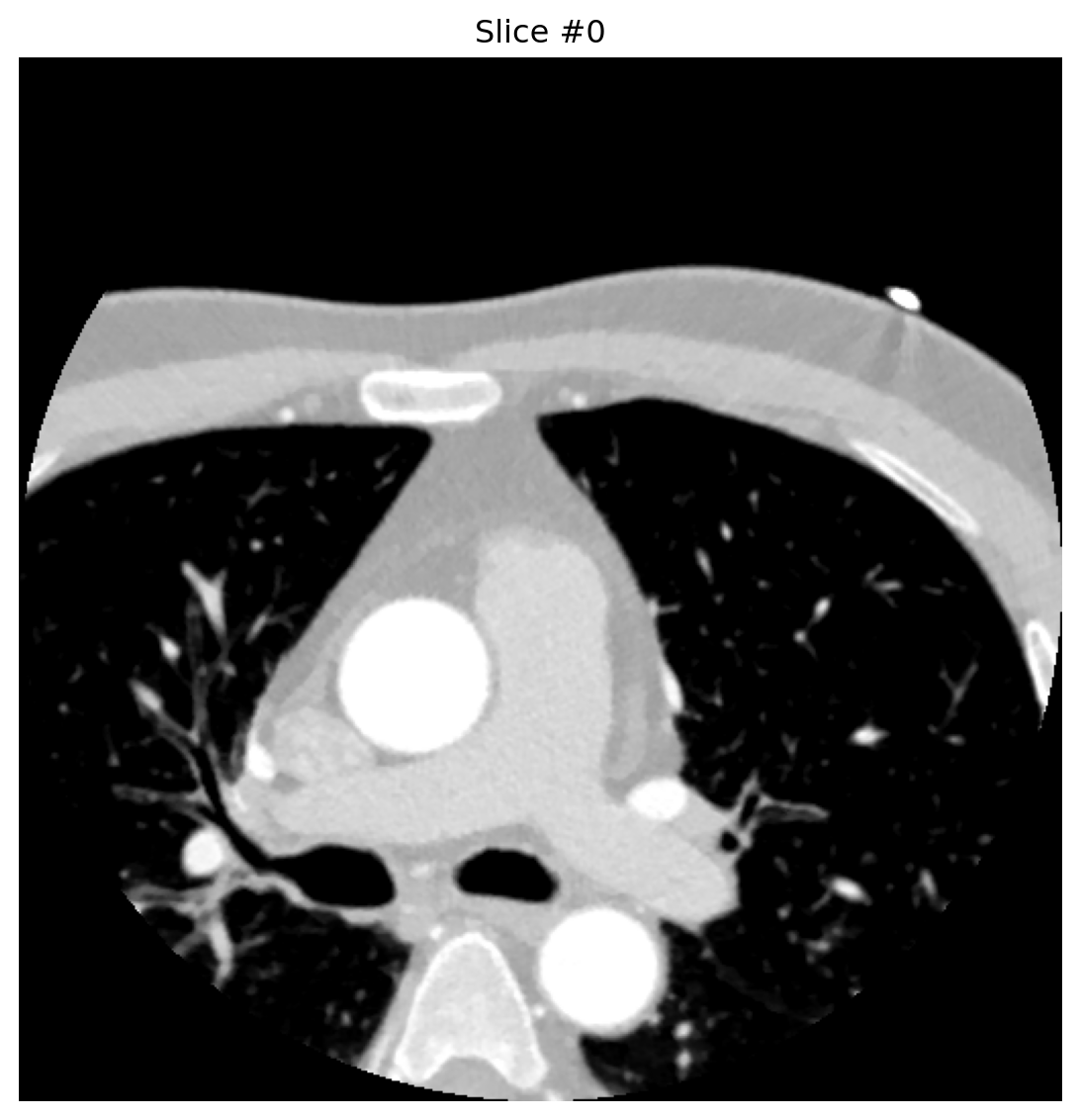
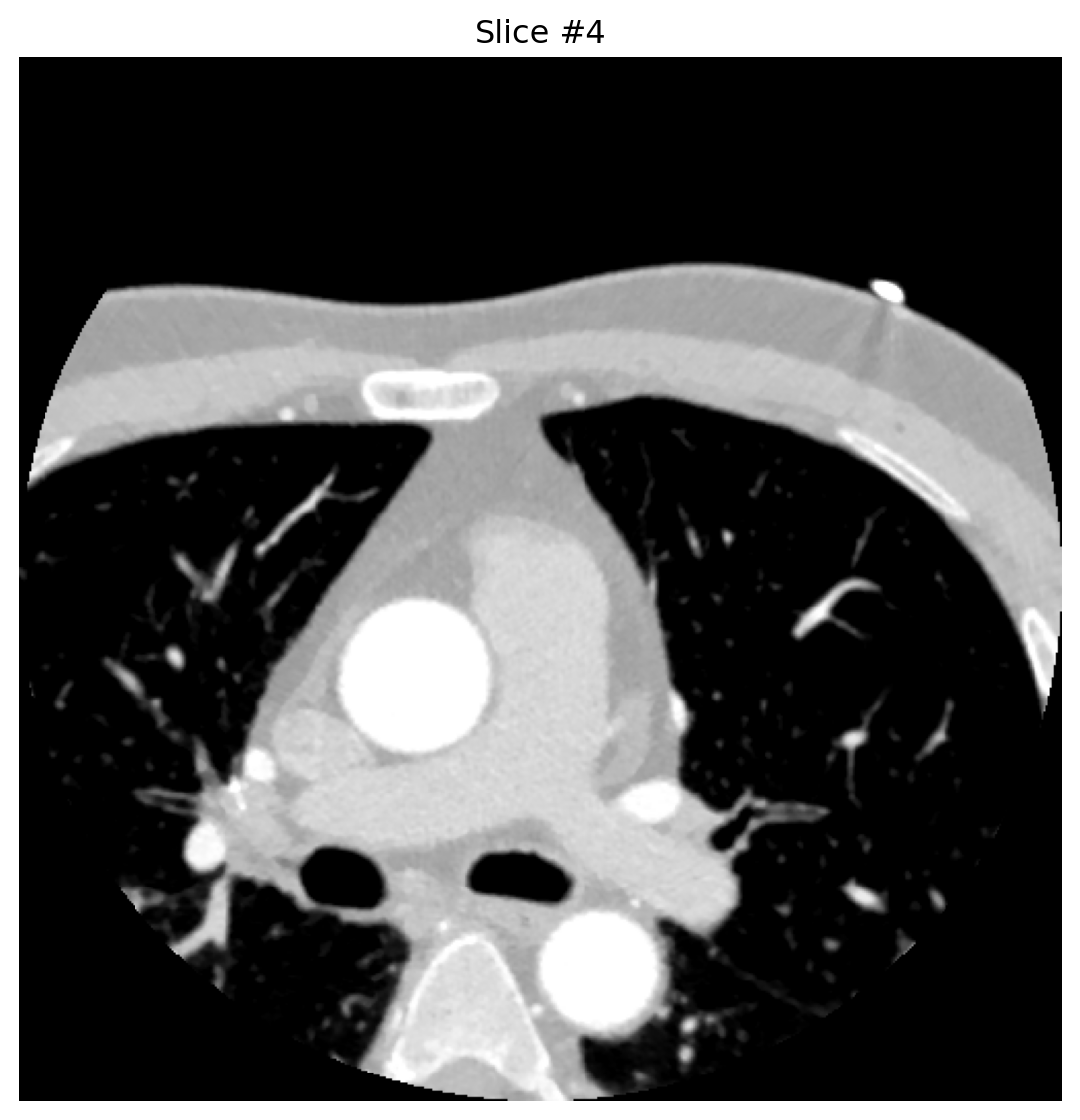
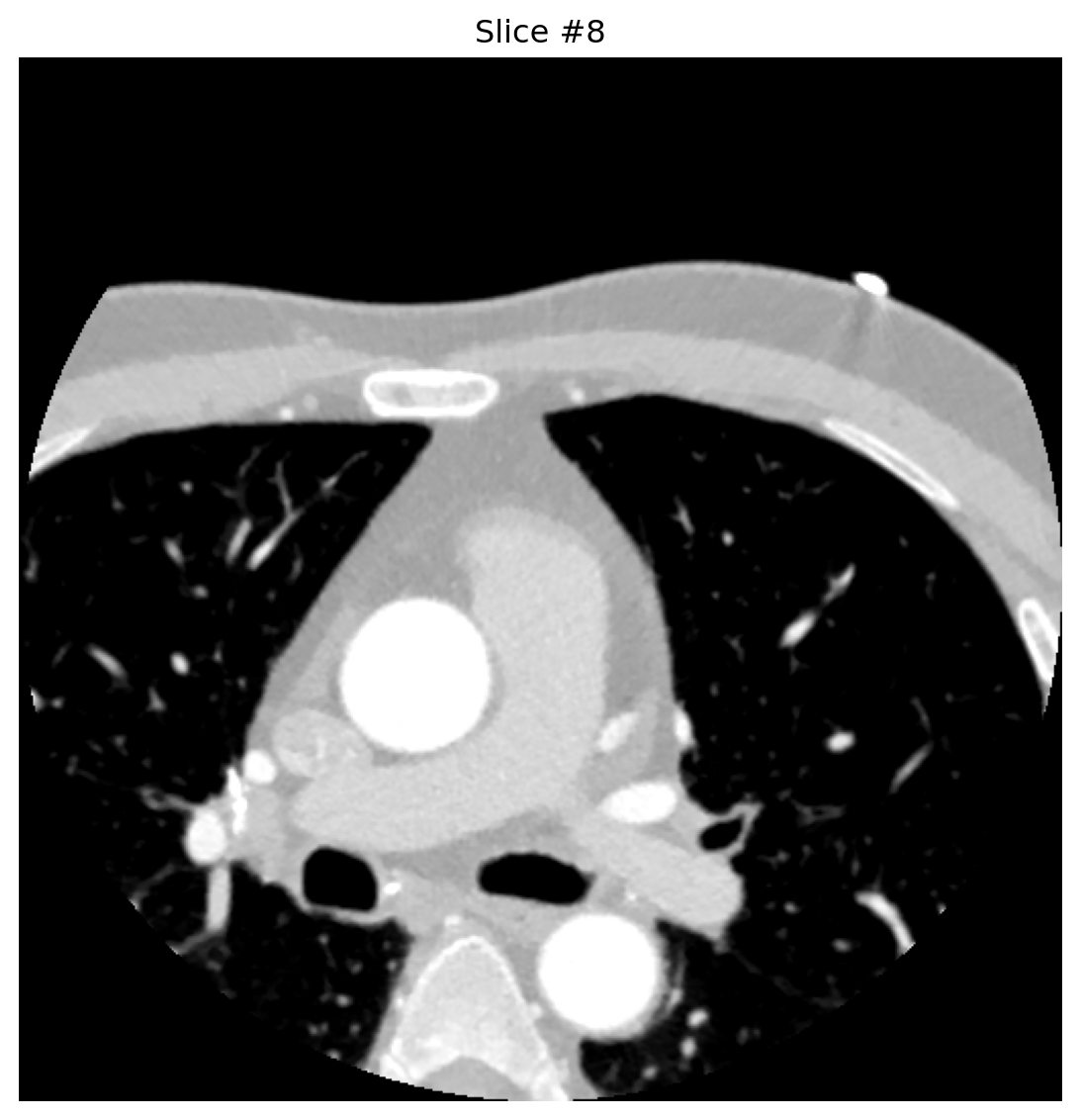
import dicube
from dicube.dicom import DcbStreamingReader
dicom_dir = 'dicube-testdata/dicom/sample_10'
dcb_file = 'dicube-testdata/sample_10.dcbs'
dcb_image = dicube.load_from_dicom_folder(dicom_dir)
dicube.save(dcb_image, dcb_file)
dcb_stream = DcbStreamingReader(dcb_file)
slice_0 = dcb_stream.get_dicom_for_frame(0)
with open('dicube-testdata/sample_10_0.dcm', 'wb') as f:
f.write(slice_0)
print(f"Generated DICOM bytes: {len(slice_0)}")DICOM Compatibility
1. Background: PACS Integration Needs
DiCube must integrate seamlessly with existing DICOM ecosystems so PACS vendors can adopt it. DcbStreamingReader converts .dcbs files to DICOM on demand, emulating a traditional PACS backend. Downstream systems consume DiCube data without workflow changes.
2. Streaming Reader
2.1. Basic Usage
2.2. Processing + Visualization
import pydicom
import numpy as np
import matplotlib.pyplot as plt
from io import BytesIO
def analyze_dicom_slice(slice_index):
buffer = BytesIO(dcb_stream.get_dicom_for_frame(slice_index))
dataset = pydicom.dcmread(buffer, force=True)
pixels = dataset.pixel_array.astype('float32')
if hasattr(dataset, 'RescaleIntercept'):
pixels += float(dataset.RescaleIntercept)
plt.figure(figsize=(8, 6))
plt.imshow(pixels, cmap='gray', vmin=-800, vmax=300)
plt.axis('off')
plt.title(f"Slice #{slice_index}")
plt.tight_layout()
plt.show()
return dataset
for idx in [0, 4, 8]:
analyze_dicom_slice(idx)Conversion happens only when requested—no need to pre-expand entire series, saving space and latency.
3. HTJ2K Compatibility Landscape
3.1. Standard Evolution
DiCube uses HTJ2K (High Throughput JPEG 2000), standardized by DICOM in 2023. Compared to classic JPEG 2000:
- 10–15× faster encoding/decoding
- Same compression quality at equal ratios
- Better suited to GPU/hardware acceleration
3.2. Current Support
- Supported
- PyDICOM ≥ 3.0.0 (with
pylibjpeg-openjpeg> 2.0 +pylibjpeg> 2.0) - Python-GDCM 3.0.26
- ITK-SNAP 4.4.0
- PyDICOM ≥ 3.0.0 (with
- Not yet supported
- Horos 4.0.1 (macOS viewer)
- SimpleITK 2.5.2
3.3. Maximum Compatibility Option
Fallback to uncompressed DICOM for legacy environments:
uncompressed_dicom = dcb_stream.get_dicom_for_frame(0, force_uncompressed=True)Pros: - Universally compatible - No decoder dependency - Zero risk of decode failure in transit
Cons: - 5–10× larger files - Higher storage/bandwidth usage - Longer transfer times
4. Deployment Strategy
Adopt a gradual approach:
- Assess HTJ2K support in target PACS/clients.
- Use HTJ2K where supported; fallback to uncompressed for legacy systems.
- Monitor upstream library updates and expand HTJ2K coverage over time.
This balances modern compression gains with real-world compatibility.